
Confirm your age
Please verify that you are 18 years of age or older to enter this site.

A grape with two identities
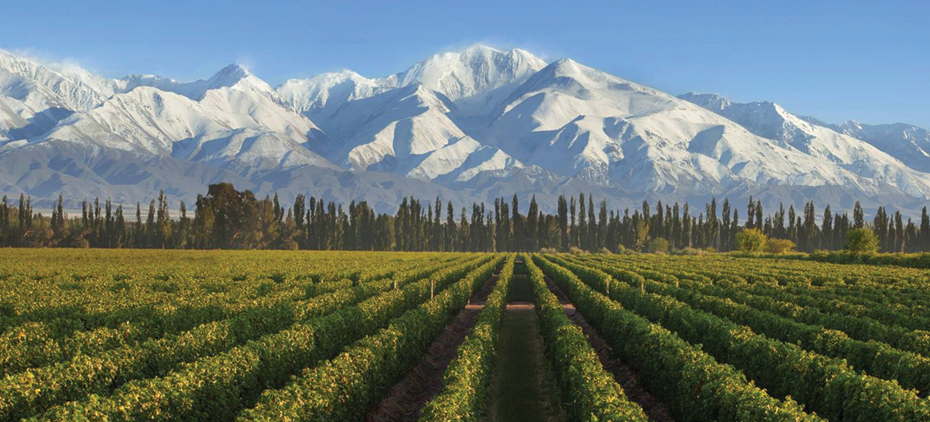
For many wine lovers around the world, Malbec immediately evokes Argentina, Mendoza, and high-altitude vineyards. Yet the truth is more surprising:
👉 Malbec is a French grape by origin, with over 800 years of history in Europe before ever reaching South America.
Understanding the real story of Malbec not only enriches wine culture but also helps consumers explore different expressions of this iconic grape. In this article, we dive into its French roots, its journey to Argentina, and the differences between Old World and New World Malbec.
Malbec originates from Southwest France, specifically the regions of Cahors, Rodez, and the Lot Valley. Historically, the grape was known under various names, including:
The French ampelographer Pierre Galet (often cited as the father of modern grape identification) traced Malbec’s presence to medieval France, where it contributed to the dark, tannic wines that made Cahors famous across Europe.
📌 Source: Wine Grapes by Jancis Robinson, Julia Harding & José Vouillamoz.
During the Middle Ages, Cahors wine — known as “the black wine” because of its deep color — was exported widely, even reaching the court of the Russian Tsars.
How Malbec conquered Argentina
Arrival in the 19th century
Malbec arrived in Argentina around 1853, courtesy of French agronomist Michel Aimé Pouget, who was invited by the Argentine government to modernize viticulture. Pouget introduced several French varieties (Cabernet Sauvignon, Merlot, Syrah…), but Malbec adapted better than all the others.
The combination of:
created ideal conditions for Malbec to flourish.
The Mendoza effect
The transformation was radical. Compared to French Malbec, Argentine Malbec became:
Regions like Luján de Cuyo, Valle de Uco, and Tupungato became global references for the grape.
Why French Malbec nearly disappeared
The phylloxera crisis
In the late 19th century, phylloxera ravaged European vineyards. Malbec was particularly vulnerable, and many regions uprooted it in favor of more resistant grapes.
The 1956 frost
A devastating frost in 1956 killed over 90% of Malbec vines in Bordeaux. As a result:
Only in the last 30 years has French Malbec regained prestige, thanks to improved vineyard practices and renewed interest in regional varieties.
French Malbec vs Argentine Malbec: What are the differences?
Wine styles range from rustic to elegant, depending on blend and oak ageing.
Argentine Malbec
Which is better?
Not a question of better, but of style.
Food pairings: unlocking Malbec’s versatility
With Argentine Malbec
With French Malbec
Both expressions pair wonderfully with hearty, comforting cuisine.
Why this matters for wine lovers
Understanding the origin of Malbec opens the door to a richer, more nuanced appreciation of the grape. Its dual identity — French origin, Argentine fame — makes it one of the most fascinating studies in global viticulture.
If you only know Argentine Malbec, trying French Malbec is a revelation.
If you love Cahors, discovering high-altitude Malbec from the Andes brings a new dimension.
Conclusion
Malbec’s journey from medieval France to modern Argentina is a story of resilience, adaptation, and global success. Both countries now produce world-class versions of this grape — different yet complementary.
At Mon Collectionneur, we proudly represent Malbec in its most authentic French expression, offering bottles that reconnect with the grape’s original soul.
Share

The Best Wines for Christmas: A Complete Guide for a Refined Holiday Table

Malbec Origin: Did You Know Malbec Isn’t Originally from Argentina?

The Story Behind Mon Collectionneur

ABOUT US
From timeless classics to emerging treasures, at Mon Collectionneur we refine the expression of taste.
Each unique wine handpicked to offer the right personality for every occasion and this special moments that matter.
Culture, Tradition, Heritage, Sophistication and Passion describe the uniqueness and experience of our curators across renowned regions of France carefully selected to bridge quality & curiosity in wines that speak for themselves


Mon Collectionneur – Wines with a Soul
Now importing into Mexico
Mon Collectionneur – Wines with a Soul
Now importing into Mexico


